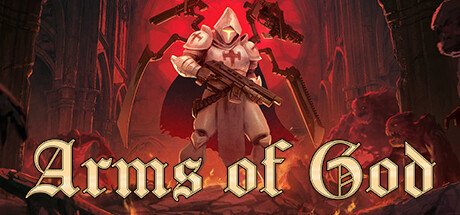
Arms of God is an action RPG featuring hack-and-slash combat centered around divine weapons with unique abilities and transformations. Players battle through mythological environments fighting celestial and demonic enemies with up to 4-player co-op. The divine weapon system is the standout mechanic. Each weapon transforms your character's moveset entirely and can be upgraded through a branching skill tree. Boss encounters are multi-phase spectacles requiring team coordination in co-op. The game draws clear inspiration from games like Devil May Cry and God of War while carving its own identity through the divine weapon theme.
This walkthrough takes you from your first session to endgame content. Each phase has specific goals, priorities, and milestones. New to the game? Start with our beginner's guide first.
Quick Progression Summary
| Phase | Area | Focus | Role | Duration |
|---|---|---|---|---|
| 1. Start | Temple Ruins | hack-and-slash combat basics | Mage | 1-2 hours |
| 2. Early | Dark Forest | divine weapon system mastery | Mage | 3-5 hours |
| 3. Mid | Volcanic Forge | boss encounters + gear | Warrior or Mage | 5-10 hours |
| 4. Late | Celestial Tower | Build optimization | Warrior | 5-10 hours |
| 5. Endgame | Abyssal Depths | Min-max | Warrior or Ranger | Ongoing |
See our maps guide for detailed area breakdowns.
Phase 1: Getting Started (Temple Ruins)
The starting zone with tutorial enemies and the first boss fight. Teaches all core combat mechanics including dodge timing, combo chains, and Divine Form activation. Contains the Holy Staff weapon.
Level/Difficulty: Level 1-10 Key Rewards: Holy Staff, basic relics, Divine Form tutorial
What to Do in Temple Ruins
- Learn hack-and-slash combat. Fast-paced melee combat with light attacks, heavy attacks, launchers, and dodge rolls. Spend your first session getting comfortable with this.
- Pick Mage as your starting role. See our builds guide for why.
- Perfect dodge (dodge at the last moment before impact) triggers a 2-second slow-motion window. Use this to land full combo strings on bosses safely.
- Acquire your first weapons upgrade: Holy Staff or whatever's available.
- Clear all main content before moving on.
Phase 1 Checklist
- Understand hack-and-slash combat fundamentals
- Mage selected and functional
- Temple Ruins main content cleared
- Ready for Dark Forest
Phase 2: Early Game (Dark Forest)
A mid-game zone with ambush-heavy encounters where enemies drop from trees and emerge from shadows. The Rogue-themed area rewards stealth play. The Shadow Daggers are obtained by defeating the Ninja boss.
Level/Difficulty: Level 10-20 Key Rewards: Shadow Daggers, stealth-themed relics, Ninja boss materials
What to Do in Dark Forest
- Work on divine weapon system. Each weapon is imbued with divine power that charges through combat. This system becomes critical from here on.
- Farm for Holy Staff if you haven't already. It's the key upgrade for this phase.
- Build Divine Charge aggressively. Each hit fills the gauge. Higher combo ratings fill it faster. A SSS-rated combo fills the gauge in about 15 seconds.
- Complete all objectives before pushing to Volcanic Forge.
- Consider whether Warrior might suit your playstyle better than Mage.
Phase 2 Checklist
- divine weapon system integrated into gameplay
- Holy Staff acquired
- Dark Forest fully cleared
- Ready for Volcanic Forge
Phase 3: Mid Game (Volcanic Forge)
A fire-themed zone with environmental lava hazards and forge-based puzzles. The Sacred Shield is crafted here using materials from fire enemies. Boss uses fire wave attacks that must be blocked or dodged.
Level/Difficulty: Level 20-30 Key Rewards: Sacred Shield, fire resistance relics, forge crafting access
What to Do in Volcanic Forge
- Master boss encounters. Bosses follow a multi-phase design with distinct movesets per phase. This unlocks a new layer of gameplay.
- Start working toward Divine Sword. It's the best weapon and becomes accessible around now.
- Save Divine Form for boss phase transitions. The burst damage during transition vulnerability windows is the highest DPS opportunity in every fight.
- This area is the main skill check. If you can clear it, you're ready for late game.
- Start investing in skill upgrades for the tactical depth you'll need going forward.
Phase 3 Checklist
- boss encounters mastered
- Divine Sword acquired or in progress
- Volcanic Forge fully cleared
- Ready for Celestial Tower
Phase 4: Late Game (Celestial Tower)
A vertical zone with platforming challenges between combat floors. The Celestial Bow is earned by completing the tower's parkour gauntlet. Each floor introduces more complex enemy combinations.
Level/Difficulty: Level 30-40 Key Rewards: Celestial Bow, sky-themed relics, tower completion achievement
What to Do in Celestial Tower
- Finalize your build. You should be running Warrior or Mage with optimized gear.
- Divine Sword should be your primary. If you don't have it yet, prioritize getting it.
- In co-op, coordinate Divine Form activations. Two players activating simultaneously triggers a Combo Finisher dealing 5x normal Divine Form damage.
- co-op gameplay optimization starts here. Small improvements compound into massive advantages.
- Farm this area for the resources needed to push into Abyssal Depths.
Phase 4 Checklist
- Build fully optimized
- Divine Sword upgraded to max
- Celestial Tower fully cleared
- Ready for Abyssal Depths
Phase 5: Endgame (Abyssal Depths)
The endgame zone with the toughest enemies and final boss. Dark-themed with corruption mechanics that debuff players over time. The final boss requires mastery of at least two weapon types.
Level/Difficulty: Level 40-50 Key Rewards: Endgame relics, final boss materials, true ending unlock
What to Do in Abyssal Depths
- Abyssal Depths tests everything. Come prepared with your best build and gear.
- Each weapon's skill tree has two paths. You can unlock both but only equip abilities from one path at a time. Respec is free, so experiment.
- The endgame loop: run Abyssal Depths, optimize gear, push harder content.
- Experiment with Ranger for a fresh take once you've mastered the standard builds.
- This is where co-op gameplay mastery separates good players from great ones. See our tips guide for advanced strategies.
Phase 5 Checklist
- Endgame content on farm
- Best-in-slot gear acquired
- Abyssal Depths fully cleared
- Ready for challenge content
Common Progression Mistakes
- Button-mashing instead of learning weapon-specific combo strings. Each weapon has optimal combos. Random attacks deal roughly half the damage of proper combo chains.
- Using Divine Form as soon as it charges instead of saving it for boss vulnerability windows or dangerous phases.
- Ignoring the combo rating system. Low combo ratings (D-C) dramatically reduce XP and item drops. Learn to dodge without breaking your combo chain.
- In co-op, all four players using Divine Form at different times instead of coordinating for the Combo Finisher bonus damage.
- Neglecting to upgrade weapons at the Volcanic Forge. A +5 weapon at level 30 outdamages a +0 weapon at level 50.
Key Tips for Smooth Progression
- Perfect dodge (dodge at the last moment before impact) triggers a 2-second slow-motion window. Use this to land full combo strings on bosses safely.
- Build Divine Charge aggressively. Each hit fills the gauge. Higher combo ratings fill it faster. A SSS-rated combo fills the gauge in about 15 seconds.
- Save Divine Form for boss phase transitions. The burst damage during transition vulnerability windows is the highest DPS opportunity in every fight.
- In co-op, coordinate Divine Form activations. Two players activating simultaneously triggers a Combo Finisher dealing 5x normal Divine Form damage.
- Each weapon's skill tree has two paths. You can unlock both but only equip abilities from one path at a time. Respec is free, so experiment.
For more advanced strategies, see our tips & tricks guide.
More Arms of God Guides
- Arms of God Arms of God Overview
- Arms of God Best Builds
- Arms of God Tier List
- Arms of God Beginner's Guide
- Arms of God Tips & Tricks
- Arms of God Weapons Guide
- Arms of God Combat Guide
- Arms of God Boss Guide
- Arms of God Maps & Locations
- Arms of God Crafting Guide
- Arms of God Classes & Characters
Similar Games
If you enjoy Arms of God, check out these related guides:
- Helldivers 2 Walkthrough: action game with similar mechanics
- Black Myth: Wukong Walkthrough: action game with similar mechanics
- Monster Hunter Wilds Walkthrough: action game with similar mechanics